
What Is a Thermocouple and How Does It Work?
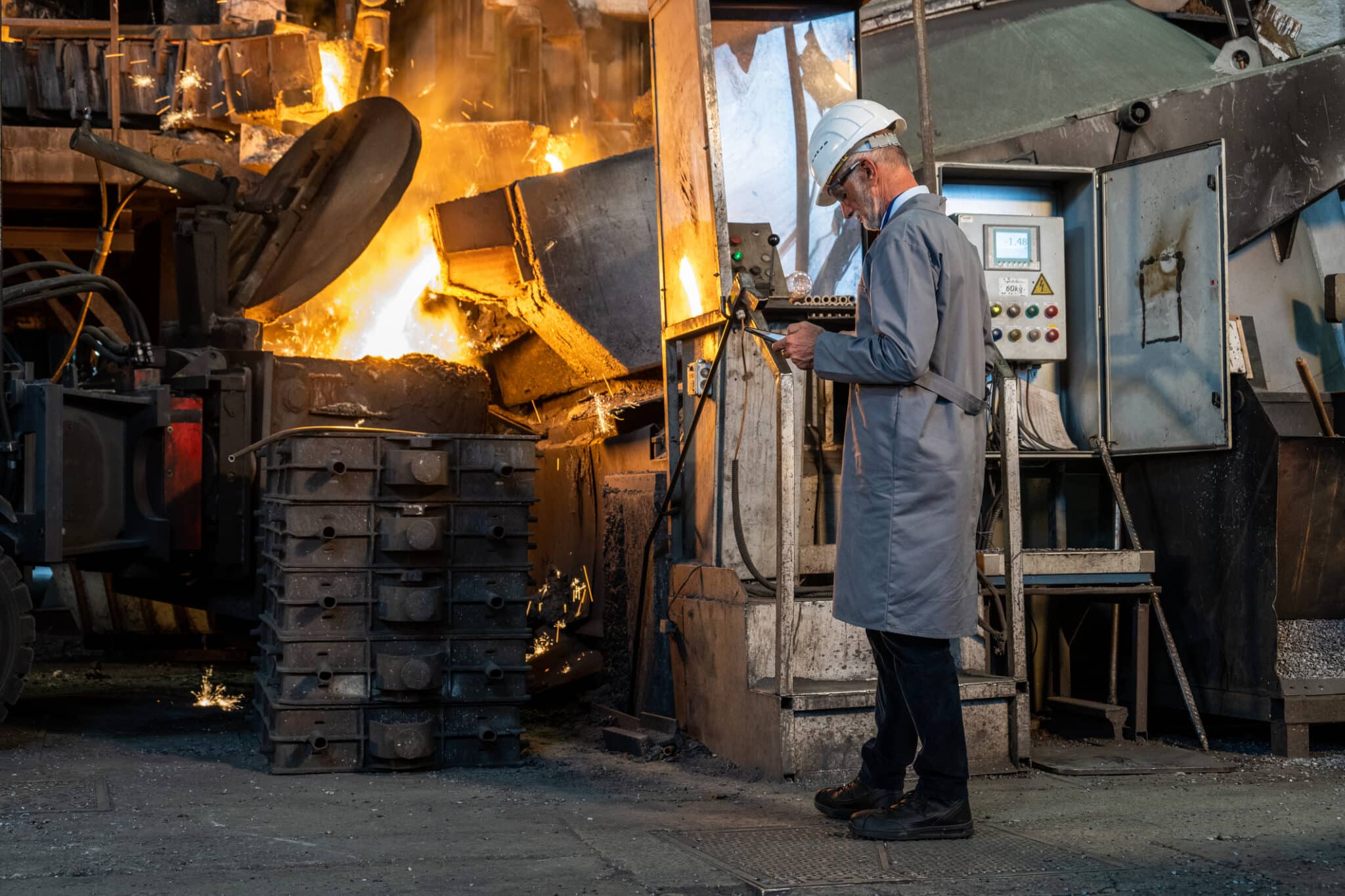
A thermocouple is a heavy-duty sensor that measures temperature using electricity. Within the sensor there are two dissimilar metals joined at one end, the sensor generates a micro-voltage when exposed to thermal gradients. A digital transmitter measures the resulting electron movement across the junction, converting the electrical potential directly into a precise temperature reading. This accuracy makes thermocouples the go-to choice for measuring extreme heat and cold.
Thermocouple Types
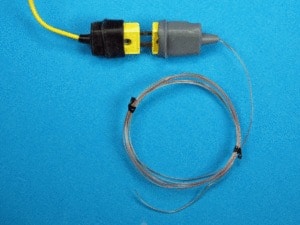
Thermocouple Type |
Conductors (Alloys) |
Temperature Range |
Primary Characteristics & Environment |
Ideal Applications |
|---|---|---|---|---|
| Type K (Most Common) | Chromel® (Ni-Cr) / Alumel® (Ni-Al) | -200°C to 1,260°C -328°F to 2,300°F | Highly versatile, durable, low-cost, good oxidation resistance. Avoid low-oxygen/sulfur environments. | General-purpose industrial monitoring, manufacturing equipment, industrial ovens, power generation. |
| Type J | Iron / Constantan (Cu-Ni) | -40°C to 750°C -40°F to 1,382°F | Lower temperature limit than K; iron wire subject to oxidation/rust if exposed to moisture. | Vacuum, reducing, or inert atmospheres; older industrial machinery. |
| Type T | Copper / Constantan (Cu-Ni) | -200°C to 350°C -328°F to 662°F | Exceptionally stable, highly accurate, and resistant to moisture/corrosion. | Cryogenics, food processing, medical testing, sub-zero monitoring. |
| Type E | Chromel® / Constantan (Cu-Ni) | -200°C to 900°C -328°F to 1,650°F | Highest thermoelectric signal output (EMF) per degree of all standard types. | Inert, mildly oxidizing, or cryogenic environments requiring strong signals. |
| Type N | Nicrosil / Nisil | -270°C to 1,300°C -454°F to 2,372°F | Better high-temperature stability and resistance to oxidation/drift than Type K. | High-temperature gas turbines, petroleum refining, and steel processing. |
Why Engineers Choose Thermocouples for Extreme Environments
Engineers and facility managers choose thermocouples over other temperature sensors for three big reasons:
- Extreme Temperature Range: Leap Sensors supports one of the broadest ranges on the market, tracking environments from -325°F up to 3,250°F (-210°C to 1,800°C).
- Fast Heat Detection: They instantly react to quick temperature spikes and fast-moving airflow.
- Industrial Durability: Thermocouples easily survive heavy vibration, high pressure, and harsh industrial environments.
The Hidden Costs of Hardwired Temperature Sensors
- High Installation Costs: Running conduit and wire across expansive facilities increases labor overhead and material expense.
- Zero Flexibility: Wired routes limit equipment motility, preventing future process adjustments.
- Scalability Limits: Adding extra sensors to monitor new machinery requires running more cables and buying extra hardware connections.
Where Wireless Thermocouples Are Used
- Industrial Furnaces, Kilns, and Ovens
- Engines, Generators, and Turbines
- HVAC units and Cleanroom Monitoring
- Food Processing and Cold Storage Compliance
- Testing Labs and R&D Facilities
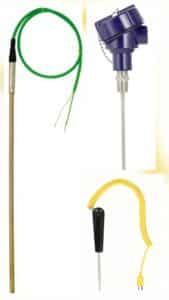
Modernize Facilities with Leap Sensors Wireless Thermocouples
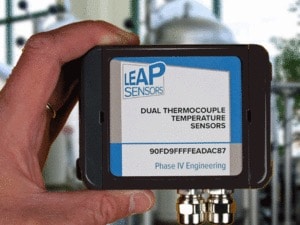
Key Benefits of Going Wireless
- 5-Minute Installation: Mount the sensor, connect the node, and instantly start receiving temperature data.
- Catch Failures Early: Set automatic alerts for abnormal heat spikes so you can fix failing equipment before it breaks down.
- Custom Node Setup: Choose single-point sensors or multi-channel units that read several temperature points at once.
- Strong Signal Strength: Powerful wireless signals easily pass through thick concrete, steel walls, and heavy equipment interference.
Accurate temperature tracking is critical for success in manufacturing, energy production, food processing, healthcare and other industrial applications. For years, companies have relied on thermocouples to handle the toughest temperature jobs. However, traditional wired sensors come with limitations: they are tricky to install, limit the mobility of equipment, and it is expensive to expand the system. Leap Sensors® Wireless Thermocouple nodes solve these problems by eliminating cables, you get real-time, remote temperature tracking anywhere in your facility without the headache of hardwired setup.