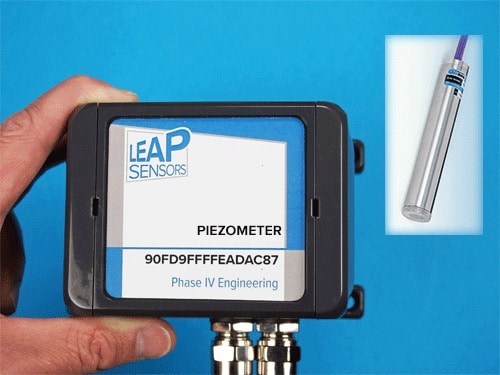
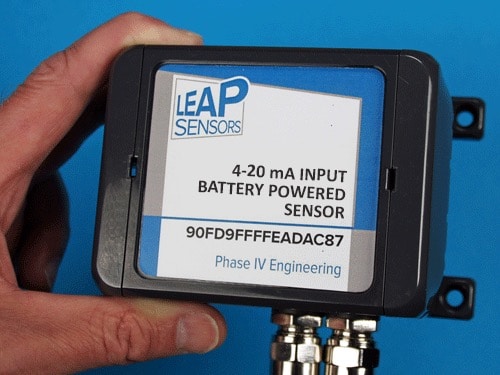
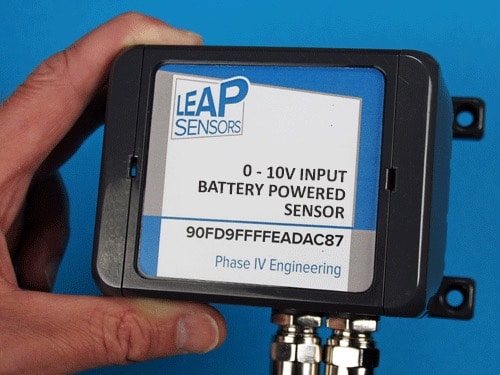
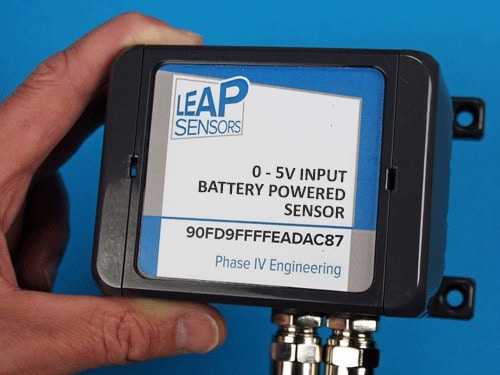
Wireless Pressure Sensors for Industrial and Commercial Facilities
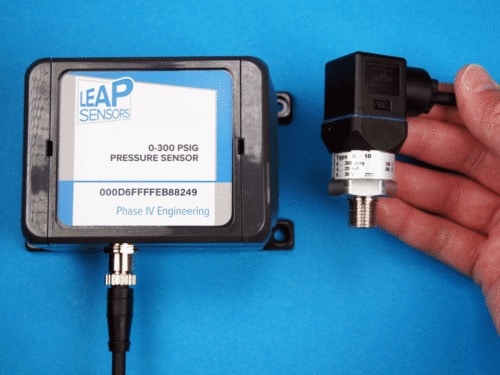
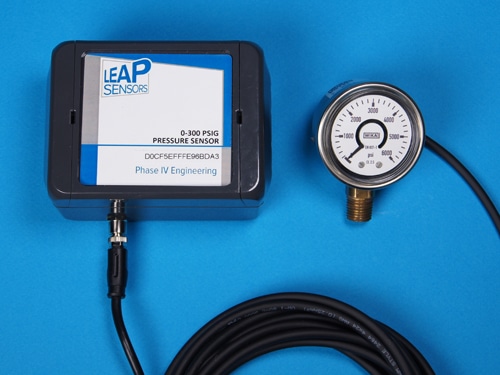
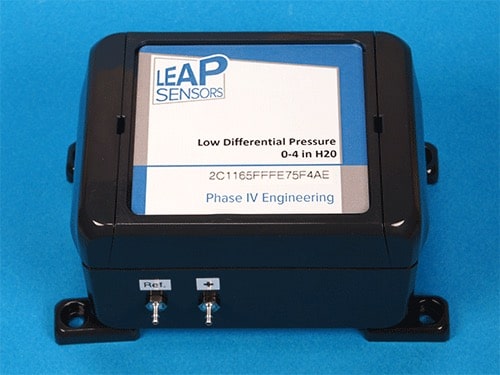
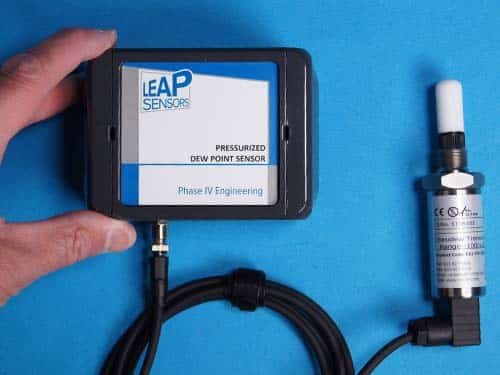
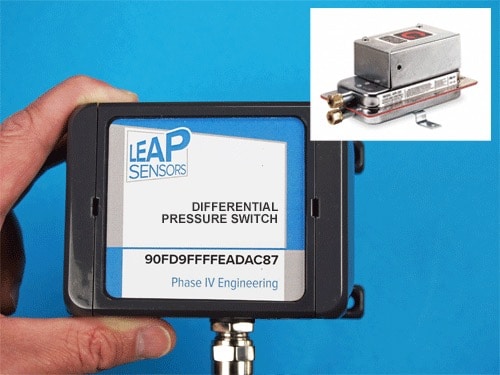
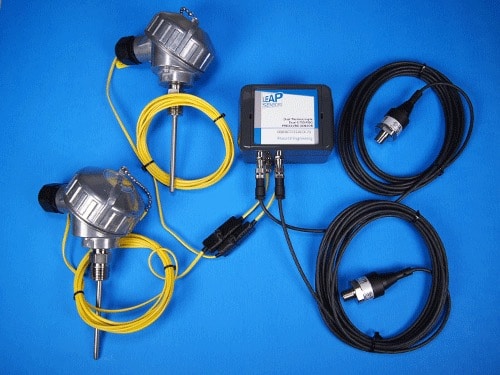
Our wireless remote pressure gauges are designed specifically for industrial and commercial environments. Whether you need remote pressure monitoring of differential pressure, air pressure, water/liquid pressure, or water/liquid level, the Leap Sensors® wireless pressure gauge system delivers reliable, real-time data under demanding operating conditions.
Remote Pressure Sensor Benefits
- Improved process control: High-precision data helps maintain optimal pressure levels across your operation.
- Proactive failure prevention: Continuous monitoring catches anomalies before they lead to costly downtime.
- Stronger safety & compliance: Automated data logging supports consistent auditing against industry standards.
Make the leap to the Industrial IoT – talk to an expert today to configure your wireless pressure monitoring setup.
Why Choose Leap Sensors’ Wireless Pressure Sensors?
Beyond data transmission, the system is designed to simplify ongoing maintenance.
- Long battery life: 5–8 years, depending on application. Easily replaceable for simple maintenance.
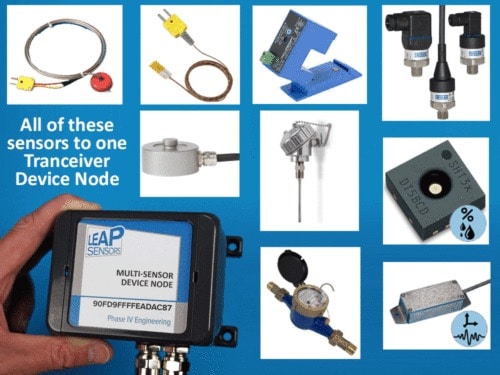
- Multi-parameter monitoring: A single remote pressure transducer node can support sensors for temperature, vibration, amperage, humidity, and more alongside your wireless pressure transducer deployment.
- Cost-efficient modular design: The “multiple sensors per module” architecture lowers the cost per monitoring point compared to single-sensor-per-module systems.
- Pain-free installation: Wireless pressure transmitters ship ready to install, with setup typically completed in about 5 minutes. Receive alerts via phone, laptop, or tablet.
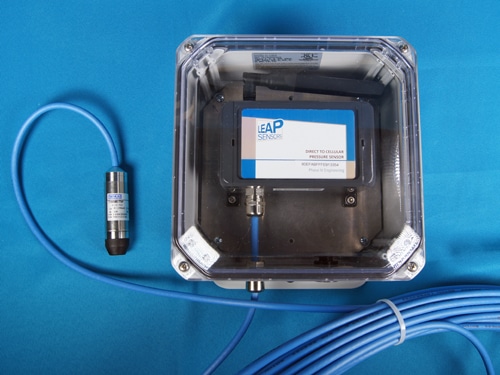
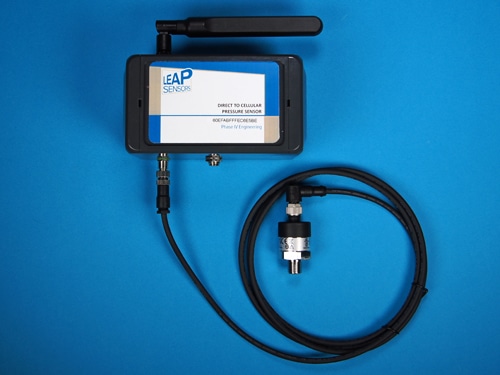
- Cellular connectivity for remote sites: For locations beyond wireless transmission range, Leap Sensors offers cellular connectivity. Monitor remote pressure sensor installations without needing an on-site network infrastructure.
Learn more about the Leap Sensors system.