



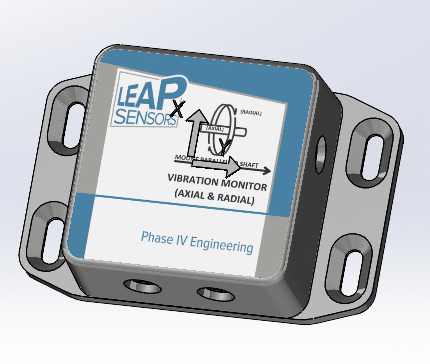
Industrial Grade Wireless Motor Sensor – Vibration and Temperature Module

$249.00

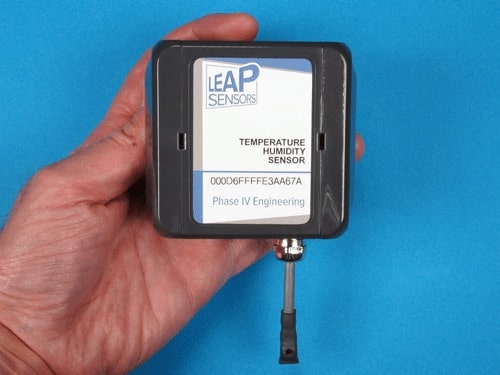
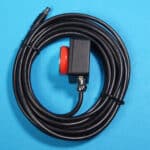
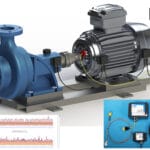
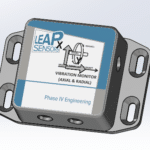
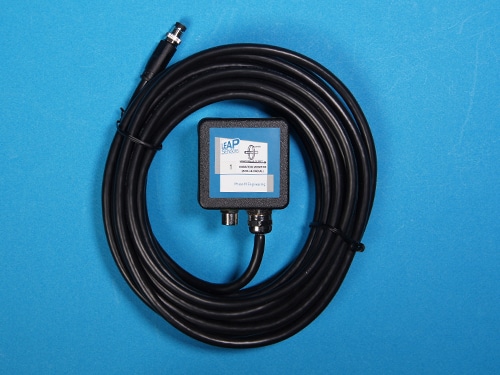
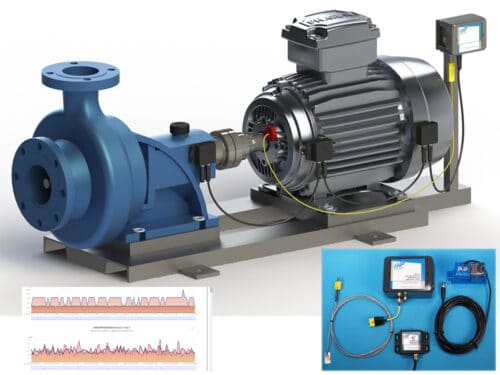
This vibration and temperature module connects over the CAN bus to the Wireless Motor Monitoring transceiver node and send temperature and vibration data.

Predictive maintenance (PdM) vibration monitoring tracks the health of machinery by measuring mechanical movement, allowing maintenance teams to identify and address issues like misalignment, imbalance, and bearing wear before failures occur. Monitoring temperature also indicates changes in the function of equipment.


Part of the breakthrough Leap Sensors® system for the IIoT.


Build your quote here:
Add to Quote

Description

Wireless Motor Sensor – Vibration and Temperature Module Specifications

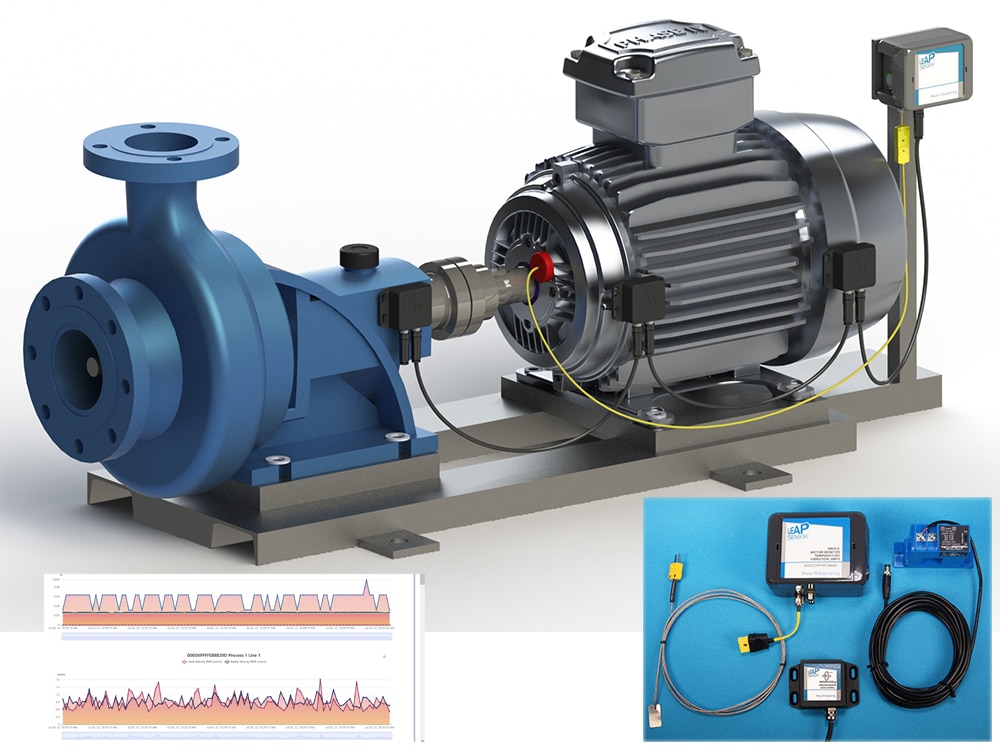
This module is mounted to the machine being monitored and sends vibration and temperature data over the CAN cable to the wireless transceiver node.

  • Standard monitoring scenario: Sensor transmits readings every 15 minutes.
    • Temperature alerts are typically set based on normal readings.
    • Vibration is sampled at 5 kHz on 3 axes for a few seconds in the range of 0 to 8Gs.
      • The data is edge-processed on board the sensor module using proven methods where a change in trend is indicative of an impending failure.

Wireless Motor Vibration Sensor Specifications

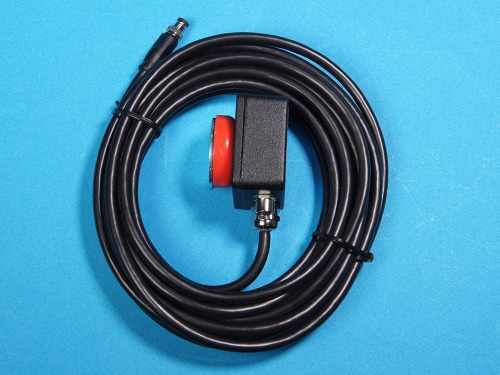
  • Mount with the provided magnet or other mounting options.
  • Vibration sensor is connected to the Leap sensor transceiver node via an industrial CAN cable.
    • Long cables (if needed) are possible between the sensor and transceiver node.
  • Multiple vibration modules (up to 6) can be connected to the transceiver node by daisy-chaining the modules on one industrial CAN bus cable.
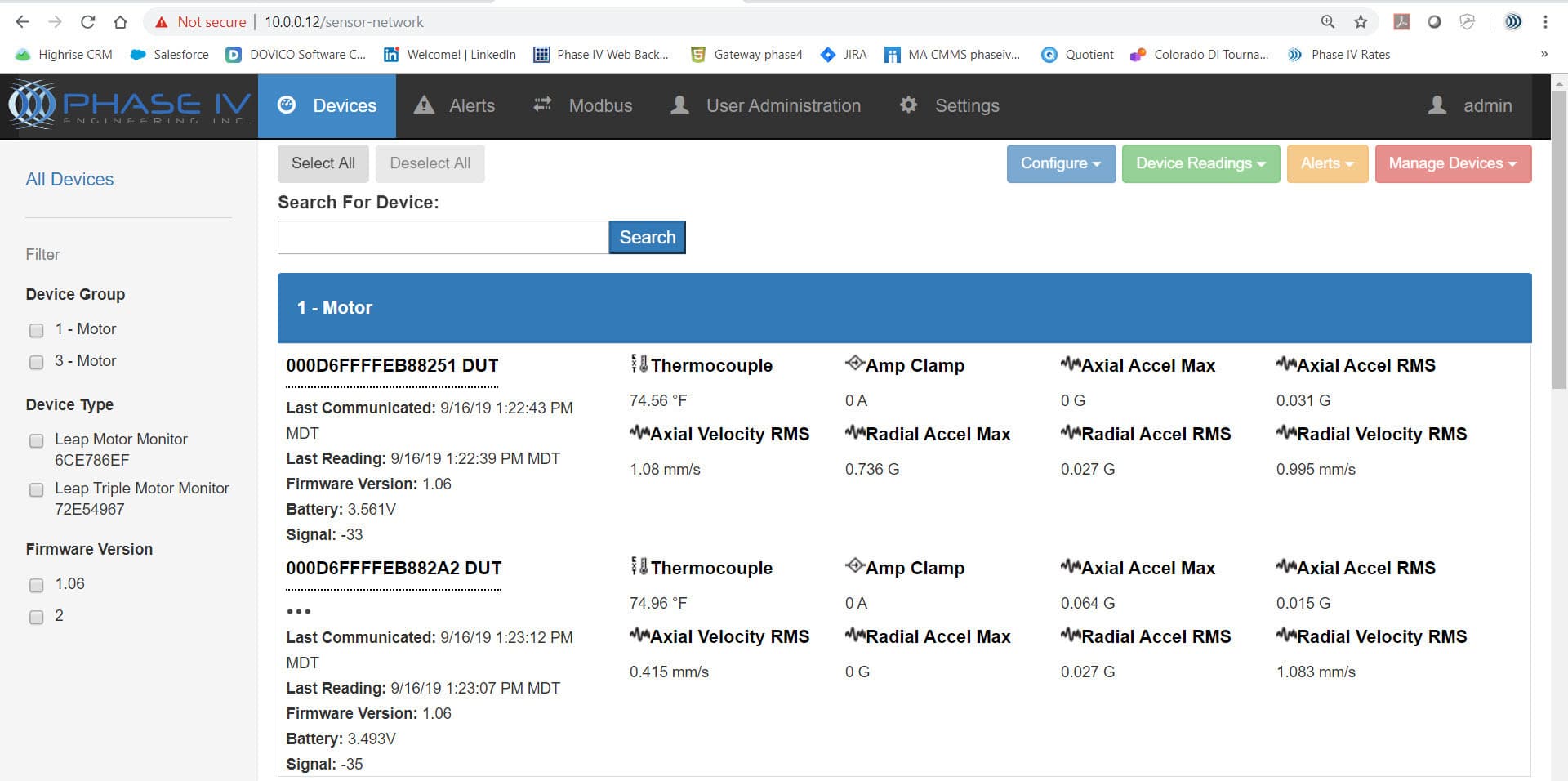
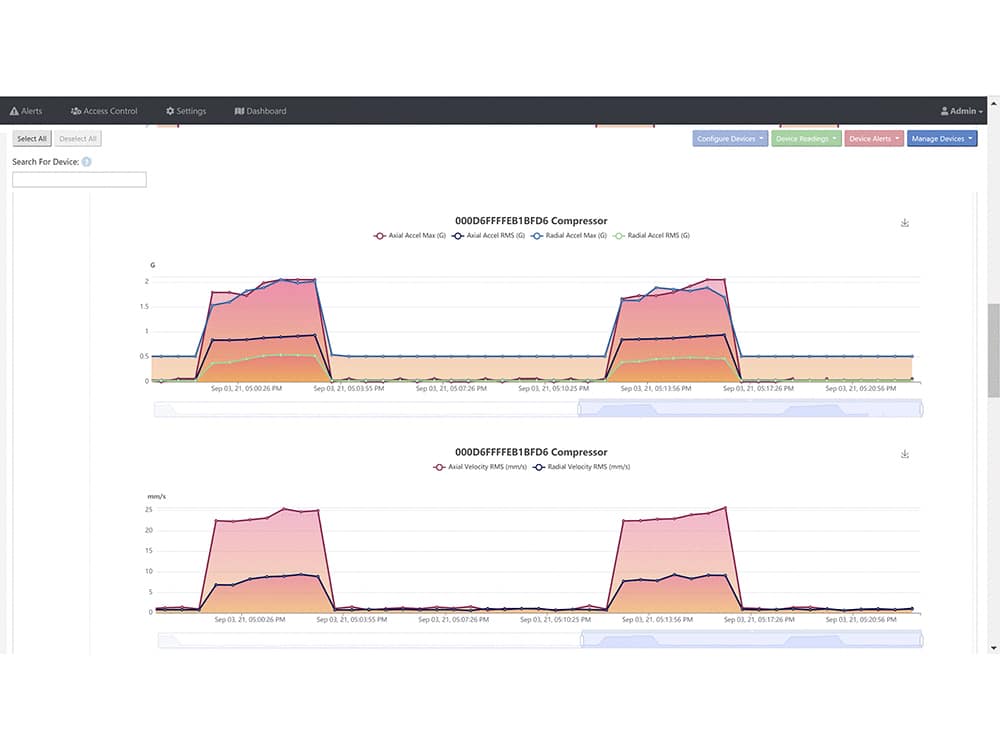
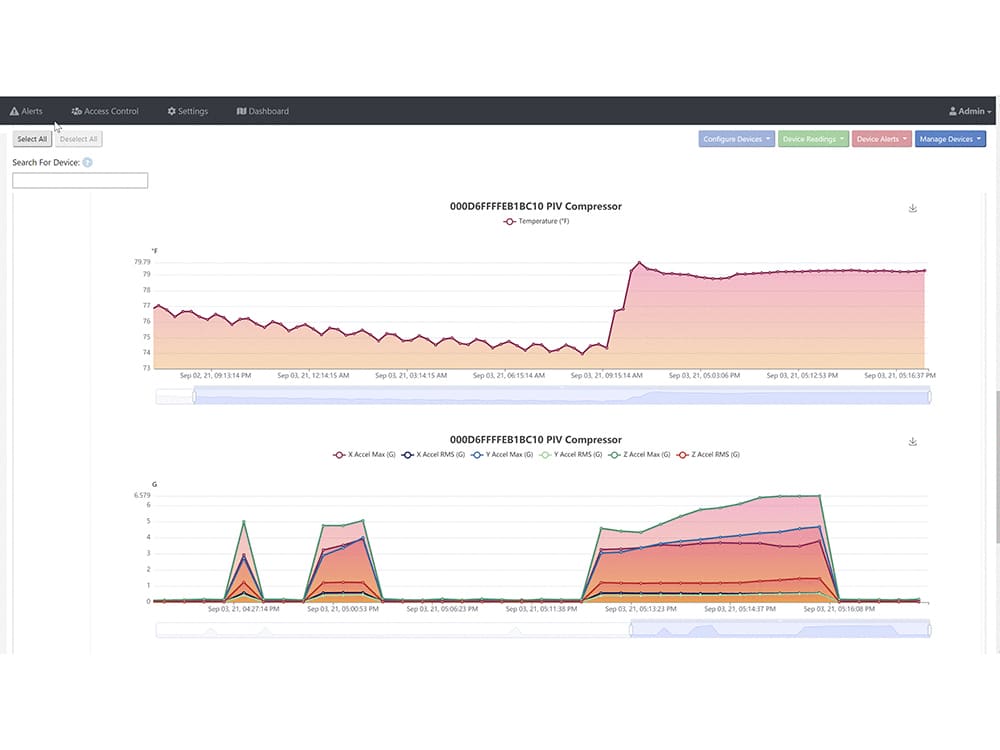
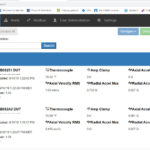
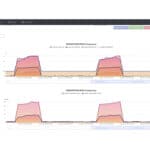
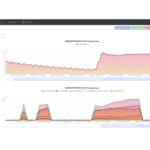
  • 3 axis g-force reading taken and edge-processed into RMS acceleration, RMS velocity, and peak acceleration. Any increase in these values indicate a motor is functioning differently and likely has a problem. Each of these readings is calculated for both radial (rotating) vibration and axial vibration (parallel to the shaft of the rotating equipment).
    • RMS acceleration weights the higher frequencies – friction, rubbing, grinding
    • RMS velocity weights the lower frequencies – misalignment or fatigue, unbalance, belt issue, poor mounting
    • Peak acceleration will detect serious impact forces such as bearing defects and chipped gear teeth.
    • Crest Factor – Instability usually from impulses
  • G-force readings up to +/- 8 G.
  • Accelerometer operating temperature: -40C to 85C (-40F to 185F)
  • On-board storage for 174,762 sets of 3-axis (x, y, z) g-force samples with 12 bits of resolution.
    • Data is typically processed by a powerful onboard microprocessor using FFT algorithms. Processed vibration analysis is then sent to the transceiver node.
  • Typical sampling and analysis (can be adjusted to each application):
    • Accelerometer is checked every 15 minutes.
    • Each axis is sampled at 5 KHz.
    • Samples are taken for 3 seconds.
    • RMS acceleration, RMS velocity, and peak acceleration are transmitted.
    • On-board temperature readings are taken and transmitted along with vibration analysis.
  • Advanced Fast Fourier Transform (FFT) edge computing available
    • Sensor has a powerful microprocessor and large memory to take vibration samples and process the data at the sensor.
    • Custom edge computing algorithms using FFTs and other sophisticated methods are available.
  • Mounting options
    • Standard mounting option is a strong magnet mount to stick to the metal surface of the motor or other vibrating equipment.  (LP-1V09)
    • Flange mount enclosure option for screwing, bolting, or gluing to surface of equipment. (LP-1V14)
Contact Us

Prices, Quotes, Questions...

Need a price or quote? Have questions? Want to talk to an expert? Need a custom solution?

Contact Us

This wireless vibration and temperature sensor is ideal for monitoring:

  • Electric Motors
  • Bearings
  • Gearboxes
  • Pumps and Compressors
  • Fans and Blowers
  • Turbines and Generators
  • CNC and Machine Tooling
  • Permanent and Temporary Structures (buildings, bridges, etc.)
Go to Top