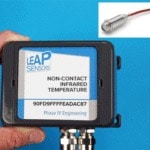



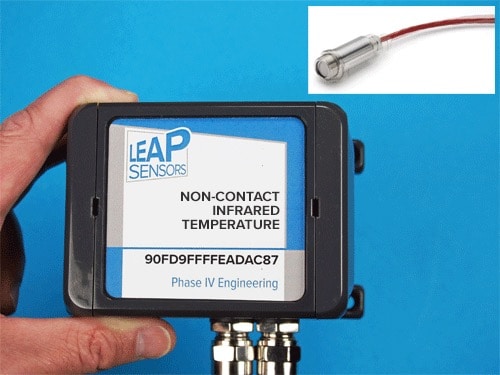



Industrial Grade Wireless IR Temperature Sensor, Non-Contact

$695.00

Ideal for monitoring temperature with a non-contact IR sensor.

Standard model measures temperatures from -20C to 1000C with a 20:1 field of view.

Contact us if you need an application specific wireless sensor with different specifications.


Part of the breakthrough Leap Sensors® system.


Build your quote here:
Add to Quote

Description

Leap Sensors are specially designed to easily adapt to your specific needs. If this isn’t exactly what you need, please contact us.

Wireless Non-Contact IR Temperature Sensor Specifications

  • Measure the surface temperature of non-reflective materials in industrial applications
  • Temperature Range: -20°C to 1000°C
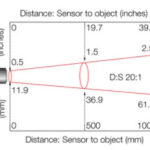
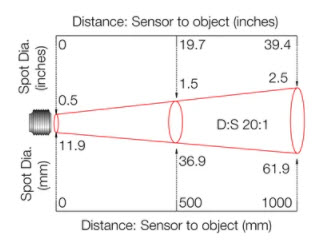
  • Field of View: Standard product 20:1.  Also available 2:1.
  • 45 mm long (plus cable gland), so they can fit into the smallest of spaces
  • Interface: RS485 Modbus RTU
  • Accuracy: ±1% of reading or ±1ºC whichever is greater
  • Repeatability: ± 0.5% of reading or ± 0.5°C whichever is greater
  • Emissivity: 0.2 to 1.0
  • Response Time, t:90: 125 ms (90% response)
  • Spectral Range: 8 to 14 μm, suitable for measuring high-emissivity materials such as paper, thick plastics, food, pharmaceuticals, rubber, asphalt and painted surfaces
  • Baud Rate: 9600 baud (other configurations available upon request)
  • Cable Length: 1m standard, contact us for additional cable lengths
    Optics: See Diagrams
  • Operating temperature: -20C to 1000C
  • IP65
  • M16 X 1mm mounting threads
  • Built from 316 stainless steel
  • Sensor fully tested to industrial EMC standards
  • Contact Us to integrate an application-specific IR sensor with the Leap Sensors wireless system.

IR Sensor Accessories

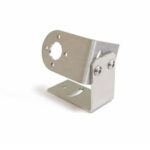
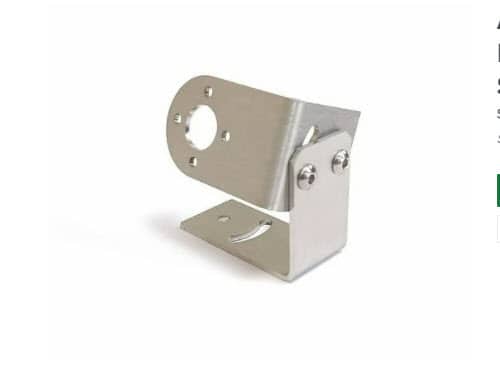
  • Sensor mounting bracket
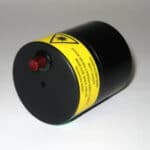
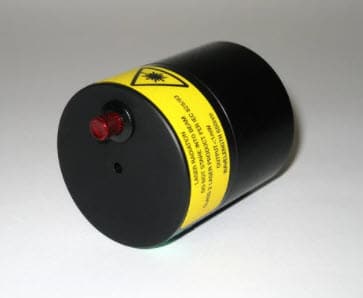
  • Laser pointer
Contact Us

Prices, Quotes, Questions...

Need a price or quote? Have questions? Want to talk to an expert? Need a custom solution?

Contact Us

This wireless sensor is ideal for monitoring:

  • Food, paper, thick plastics, asphalt, paint, bulk materials and organic materials, as well as most dirty, rusty or oily surfaces.

Patents pending.

Go to Top